It was Steve Brusatte, in his book The Rise and Fall of the Dinosaurs, who said something to the effect that those who study invertebrate palaeontology were the red-headed step-children of the palaeontological community. I am about to defend the red heads, so read on.
I remember riding my motorcycle — a fantastic Yamaha XT200 — along a gloriously undulating road on my way to university on a Monday morning, with the land falling steeply towards the blue Indian Ocean on my left, while the major east-coast port went about its unrelenting business of loading and unloading cargo ships from the four corners of the world. Riding my trusty steed to college on a Monday morning was pure bliss, for I had the prospect of a palaeontology lecture to get the week off to a grand start.
It was Dr Mason, a laconic Irishman, who was going to be giving us the lecture, as he had been doing for some months already, and it was truly something to look forward to. Apart from one lecture on dinosaurs, which undoubtedly he felt compelled to give, the rest of the lectures focused on invertebrate palaeontology. We learned about gastropods, brachiopods, cephalopods and arthropods. We learned about trilobites, crinoids, echinoids and graptolites. Words like free cheek, telson, umbo and operculum crawled into our lexicon, and soon we were rattling off those names like old-time palaeontologists, mighty pleased with ourselves too, I might add.
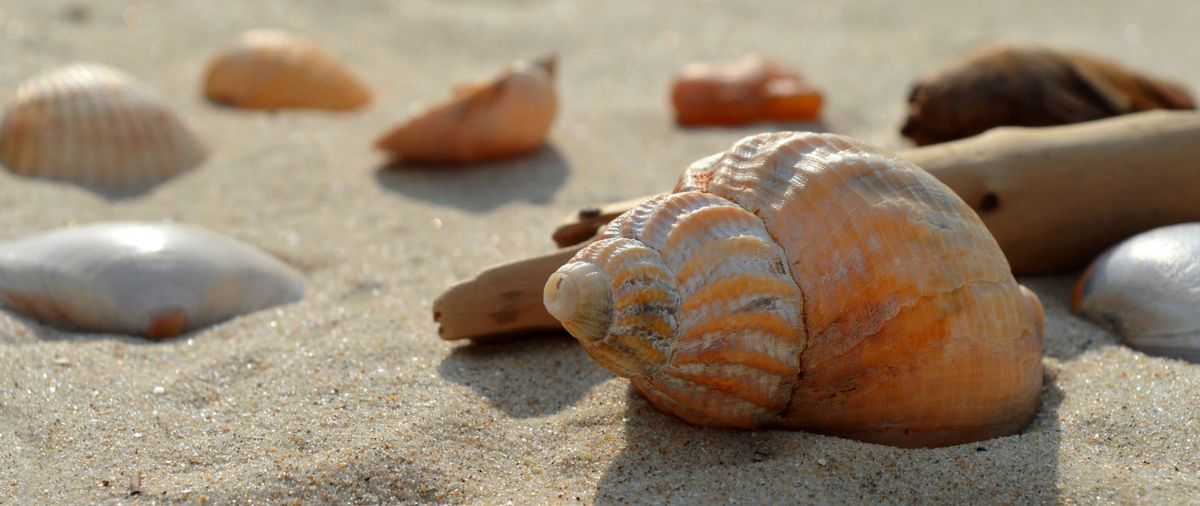
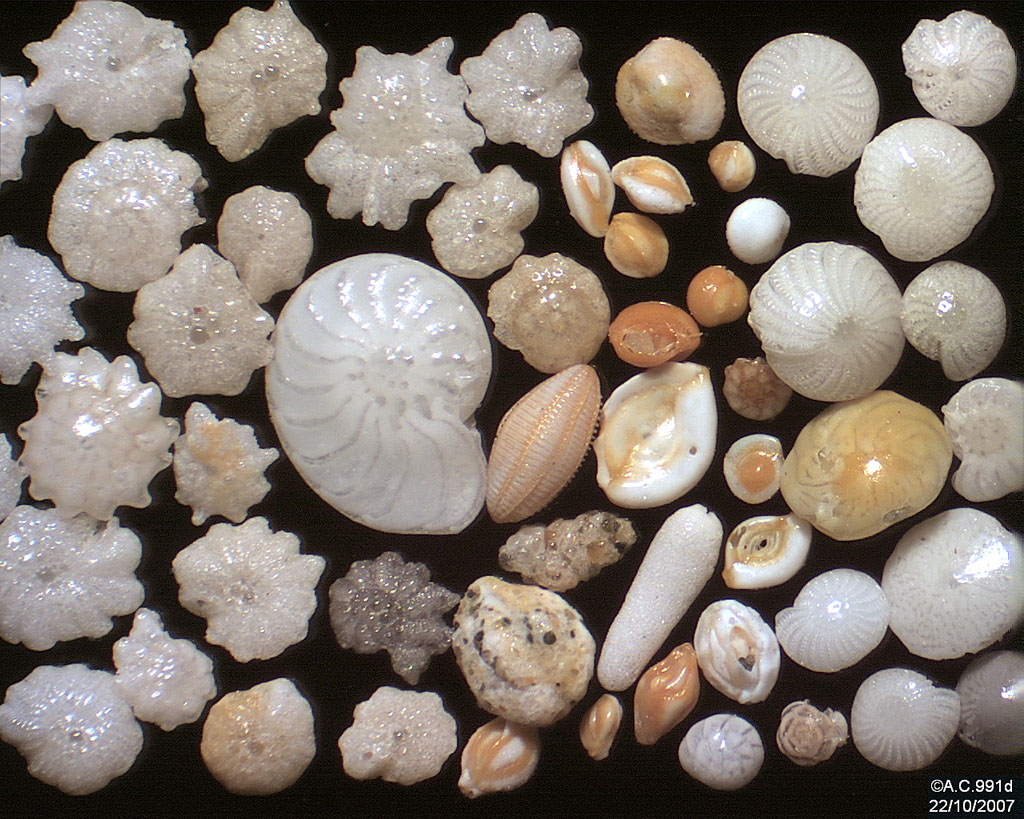
Of course, we had to examine fossilised free cheeks, telsons and opercula in those wonderful musty-smelling drawers that somehow smell the same wherever you are in the world. But there were also modern-day gastropods and bivalves that had to be described. The archetypal gastropod raised its beautiful head, and Janthina, Murex and Conus spiralled their way into our consciousness, whilst the more sessile Patella and Mytilus attached themselves to the substrate of our brains.
We learnt about evolution, taxonomy and faunal provinces. Then there was the fossil record, the laws of succession, and how fossils can be used to date and correlate strata on a relative scale. It was all wonderful stuff, and to this day I will argue that there is no better way to spend a Monday morning than listening to a displaced Irishman giving a lecture on invertebrate palaeontology.
So when Steve Brusatte said bad things about invertebrate palaeontologists, I was a little crestfallen. But then I cheered up, because there is space for all of us in this world of palaeontology. And besides, we wouldn’t be where we are today without those invertebrate palaeontologists. I have a foot in both camps, because here at the DinoZone we showcase dinosaurs, but also have ammonite fossils and a cabinet full of modern gastropods and bivalves. And ever since Dr Mason sent us rummaging through drawers full of modern shells and ancient fossils dating back to the Cambrian and Ordovician, I have been hooked.
As much as dinosaurs steal the limelight, it is the humbler invertebrates that are useful to geologists. They have been used for dating and correlating strata across vast distances. They have assisted geologists in working out historical ocean temperatures, past climates, and in locating fossil fuel reserves. And the study of ancient microbial structures on Earth guides the search for life — past and present — on other planets such as Mars.
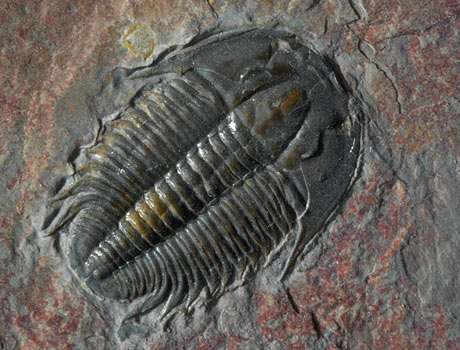
Sure, dinosaurs are glamorous, larger than life, full of sharp teeth and slashing claws, and the palaeontologists who discovered them are at times also glamorous, larger than life, and may have a mouth full of sharp teeth and slashing claws. But it’s the red heads that do the work — mapping out the strata, exploring for petroleum reserves, and searching for signs of extraterrestrial life.
But giving the glam kings and queens their due, perhaps what hooked those red heads into the world of earth science and geology was a big ornery critter from the Cretaceous that scared the living daylights out of them in a movie when they were very young. So dinosaurs could be the gateway to a beautiful life.
Join us at the DinoZone to learn more about palaeontology, earth science, and our amazing world.